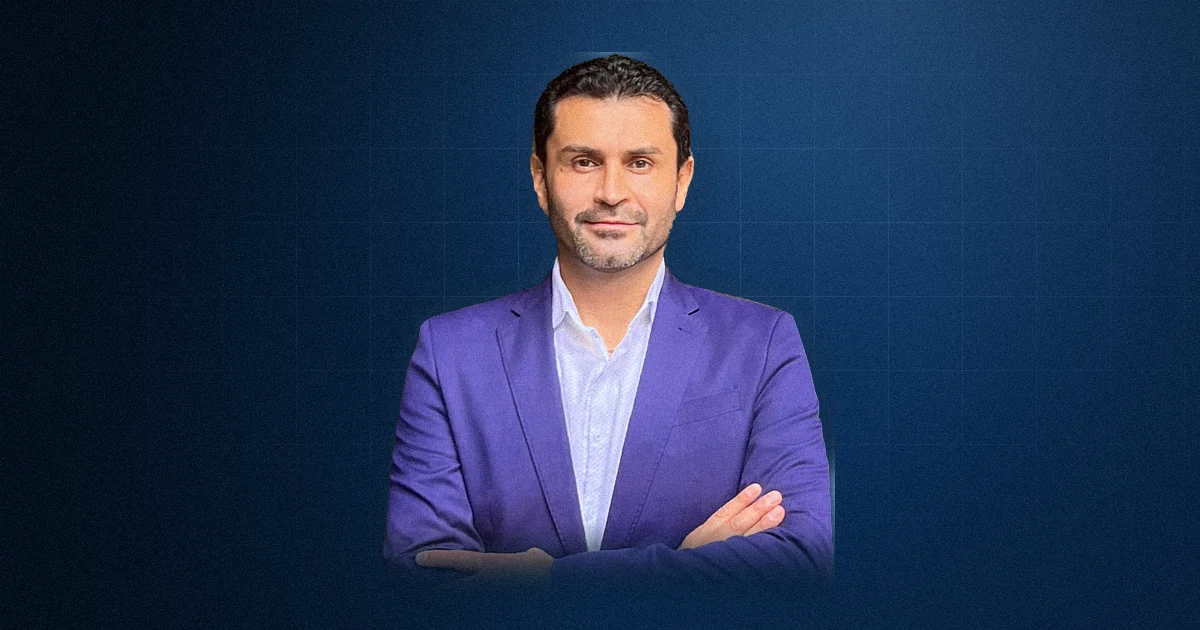
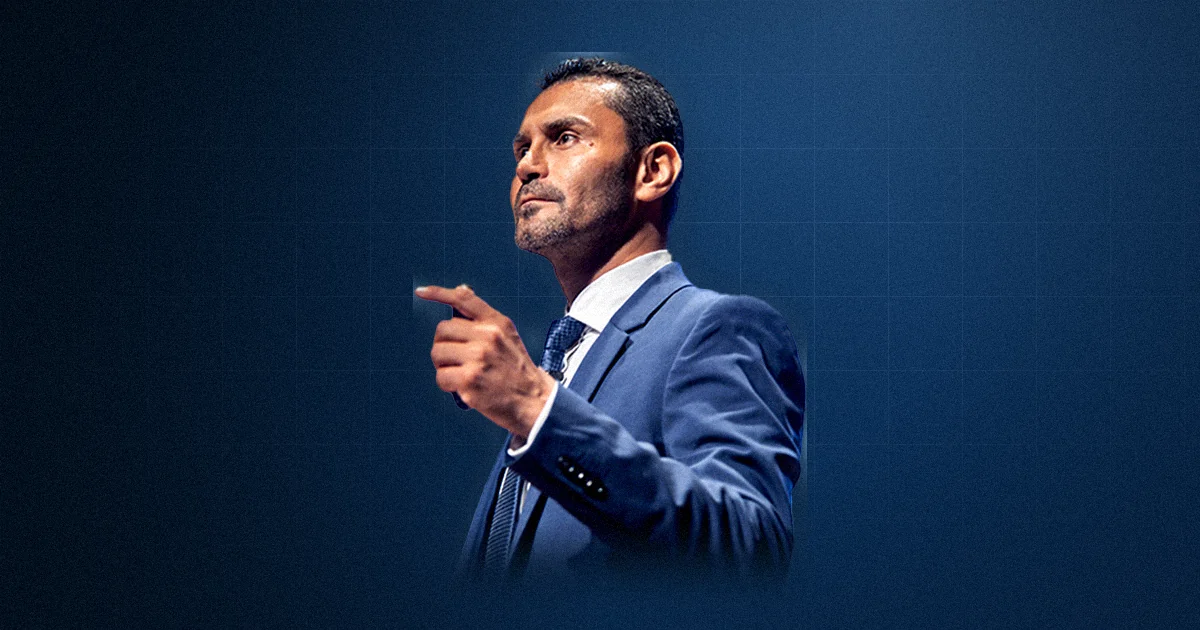
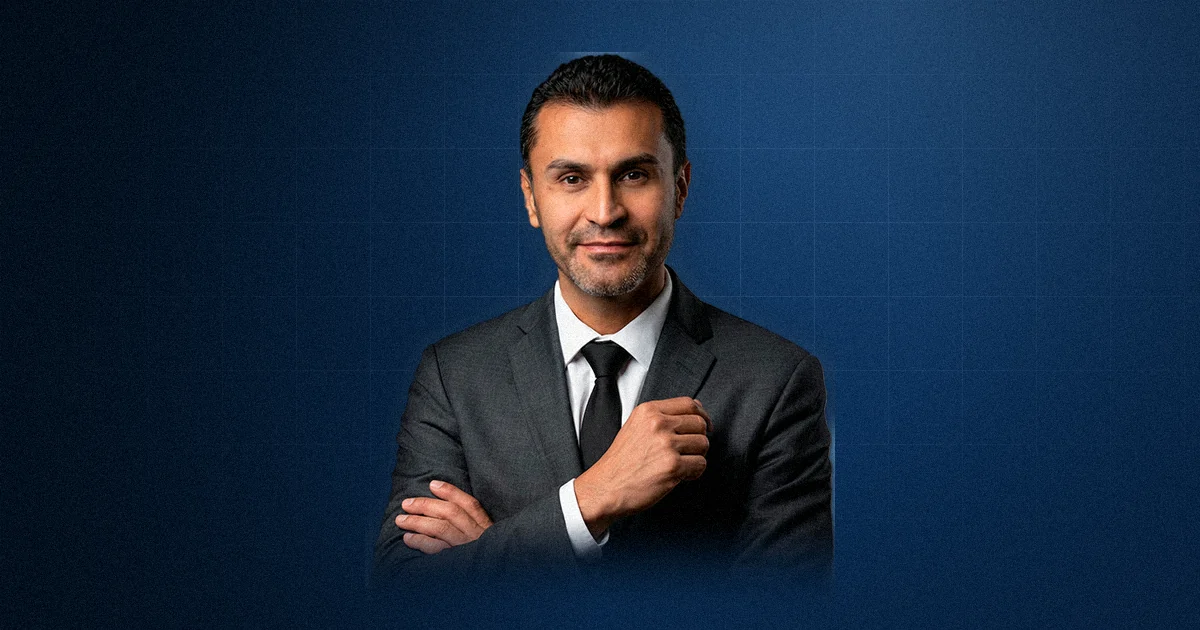
Oscar Bonilla, PhD
There was a time when I would end the day exhausted, feeling like I hadn't stopped for a second, yet with the uncomfortable impression that I hadn't made progress on what truly mattered. I was busy all the time, but busy is not the same as productive. I was running from one task to another without realizing that most of them weren't getting me anywhere.
That was the day I understood something that changed how I work: where your energy goes, your results go. It's not about doing more things; it's about directing your effort toward the few things that truly move the needle. Organizing your day isn't about filling it; it's about ordering it. And that is a skill you can learn.
Busy is not the same as productive
We live confusing movement with progress. Spending all day answering messages, jumping from one task to another, and feeling out of breath gives the sensation of being productive, but often it is the exact opposite. You can be extremely busy and make no progress on anything that matters.
The productive person is not the one who does the most, but the one who does the right things. They understand that a few tasks produce the majority of results, while the rest, even if they fill the agenda, contribute little. That's why the first step to organizing your day isn't getting more hours or more willpower; it's having clarity on what truly deserves your time.
Start with what's important, not what's urgent
The great thief of productivity is urgency. Urgent things scream, demand immediate attention, and make us feel necessary, while important things wait in silence. And so the days pass: putting out small fires while what truly builds your future is left for “when I have time,” a moment that never comes.
Flip it. Before starting the day, identify the two or three tasks that, if completed, will make the day worthwhile even if you do nothing else. Those are your real priorities. Do them first, when you have strength and focus, before the noise of the day drags you along. Everything else fits around that, not the other way around. When the important is done first, the urgent stops governing your life.
Manage your energy, not just your time
Here is a mistake almost everyone makes: believing that productivity is only a matter of time. But you don't perform the same at seven in the morning as you do at four in the afternoon after a thousand interruptions. Your energy rises and falls throughout the day, and organizing your schedule well means placing your most important tasks in your peak energy hours.
Identify when you think most clearly, when you concentrate best, and protect that block as if it were gold. Don't spend it on minor tasks you could do with a tired mind. Reserve your best hours for your most valuable work and leave mechanical tasks for when your energy is already low. Managing energy, and not just the clock, is what separates a day of real performance from a day that is simply full.
Design the day before the day designs you
If you don't decide how your day will be, someone or something else will decide for you. Other people's messages, their urgencies, and distractions will take control, and you will end up reacting instead of directing. That is why high performers plan.
You don't need a complicated system. It is enough to dedicate a few minutes, the night before or first thing in the morning, to decide what you will do and when. Assign a time slot to your important tasks, instead of leaving them floating without a time, because what has no assigned moment rarely happens. And protect those blocks from distractions: silence what you can, close what you don't need, and let your mind know that that time is for one single thing. Doing one thing at a time, with full attention, yields more than doing five halfway.
Organizing your day to be more productive doesn't consist of squeezing every minute or doing more and more things. It consists of having clarity on what matters, doing it first, in your best hours, and protecting your focus from everything that competes for it. Because in the end, where you direct your energy is where your results go, and that applies equally to your work, your health, and your financial future.
The question I leave you with is this: at the end of your days, are you advancing toward what you truly want, or are you just busy? If the answer makes you uncomfortable, the good news is that it can change, and not with more hours, but with better decisions about where your energy goes. Keep learning to build high-performance habits, investments, and financial education with Oscar Bonilla. Financial freedom for you is possible, and it starts by directing your effort toward what truly builds your future.